Belly Bulge or Abdominal Muscle Separation?
NON-INVASIVE, DRUG-FREE SOLUTIONS IN DADE CITY, FL
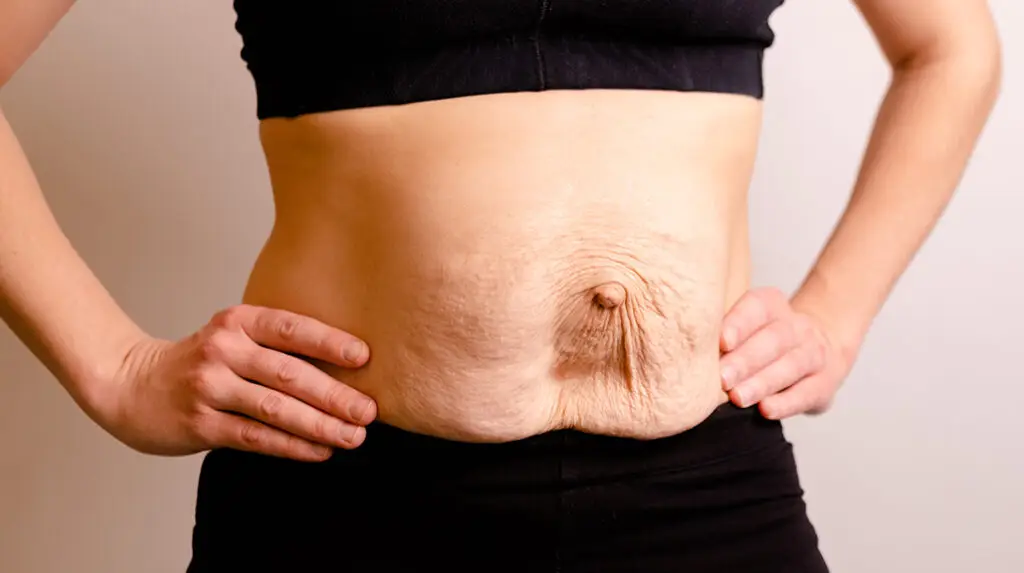
For many people, it’s not just weight gain—it’s abdominal muscle separation, also known as diastasis recti. This can happen after pregnancy, significant weight changes, or increased pressure on the core, leaving the midsection looking and feeling different. The problem is, most people assume it’s normal. They try to diet, exercise, and “tighten their core,” but nothing really changes.
It could be diastasis recti. Many people go undiagnosed for years—sometimes for life—assuming it’s just stubborn fat or that nothing can be done about it.
If left uncorrected, diastasis recti can lead to ongoing core weakness, making everyday movements less stable and efficient. Over time, this often contributes to lower back pain as the spine loses proper support, along with poor posture due to a weakened abdominal wall. It can also be associated with pelvic floor issues, including leakage or decreased core control, and in more severe cases, may increase the risk of hernia. Even with weight loss, the abdomen may continue to protrude, since the issue is structural—not just fat—affecting both appearance and long-term function.
Do you have Diastasis Recti?
Why do I still look pregnant months (or years) later?
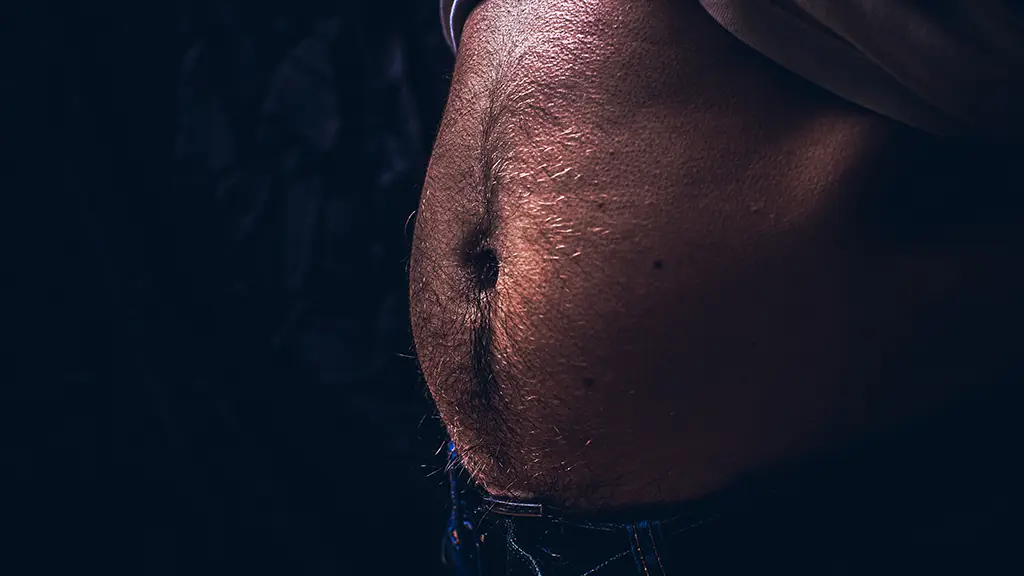
If your belly has a rounded, pushed-out shape—especially in the lower abdomen—it may not be fat. Abdominal muscle separation can cause the core to lose support, allowing the stomach to protrude even without significant weight gain.
Why won’t my lower belly go away, no matter what I do?
When diet and exercise don’t change the shape of your midsection, the issue may not be fat. Separated abdominal muscles can prevent the core from tightening properly, making the belly appear unchanged.
Does abdominal muscle separation go away on its own?
In some mild cases, it can improve slightly on its own, especially early on. However, for many people, it does not fully resolve without targeted treatment, leaving the core weak and unsupported.
How long after pregnancy should this go away?
Some natural healing may occur within the first 6–8 weeks postpartum. If symptoms persist beyond a few months, it’s unlikely to fully resolve without proper intervention.
Why does my stomach bulge or “cone” when I sit up?
This is a common sign of diastasis recti. When the muscles are separated, pressure pushes outward instead of being supported, creating a visible bulge or ridge.
Why am I not seeing results from core workouts?
Traditional ab exercises don’t always address the separation—and can sometimes increase pressure and make it worse if the core isn’t functioning properly.
Why does my core feel weak even when I try to engage it?
Muscle separation disrupts how the core functions. Even when you try to engage your abs, they may not contract effectively, leading to weakness and instability.
Could this just be normal weight gain?
It could be—but weight gain is usually softer and more evenly distributed. If your stomach bulges outward, feels different, or doesn’t respond to weight loss, muscle separation may be involved.
Why do I feel a gap or ridge down the middle of my stomach?
This can indicate a separation along the midline where the connective tissue has stretched. It’s one of the most direct physical signs of abdominal muscle separation.
A Holistic Approach That Works
EmSculpt NEO®
Abdominal Muscle Repair & Core Stability
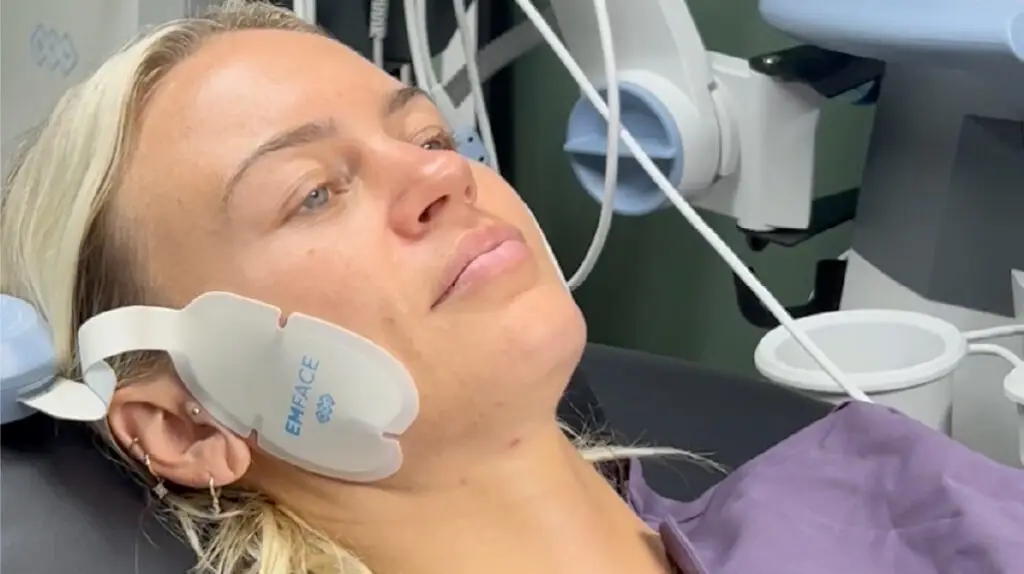
Targeted strengthening of the abdominal muscles to help improve separation and restore core function. EmSculpt NEO’s HIFEM® technology stimulates deep, repeated contractions that help rebuild muscle fibers, improve core engagement, and reinforce the abdominal wall.
EmSculpt NEO® & Thinnr
Reduce Pressure on the Abdominal Wall
Reducing excess fat in the midsection helps decrease pressure on the abdominal wall, improving outcomes for muscle separation. Thinnr supports metabolism through targeted nutrition, while EmSculpt NEO’s RF technology helps reduce abdominal fat.
EmSculpt NEO & Breastfeeding
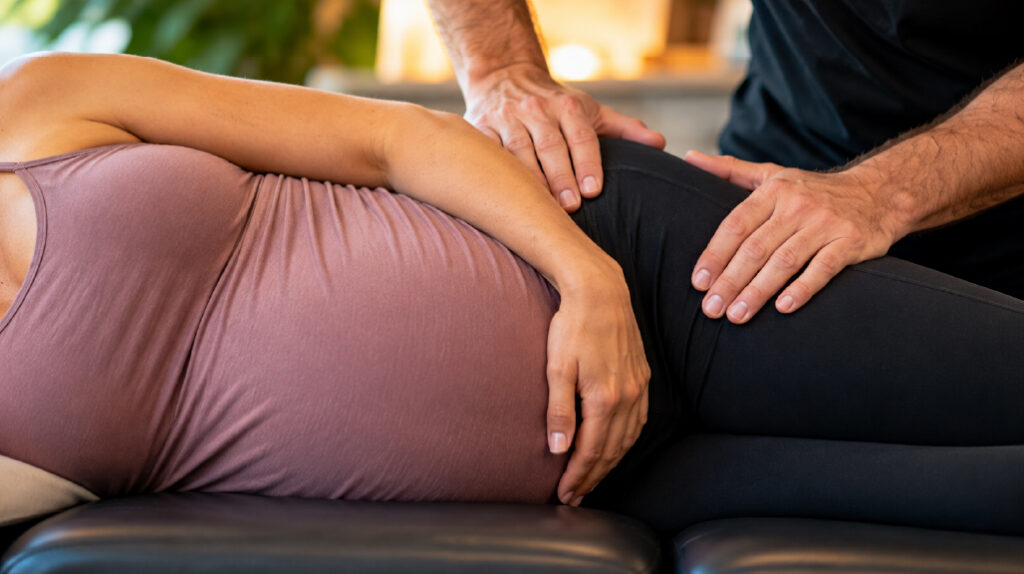
Diastasis recti tends to respond best to treatment earlier in the postpartum period, when the muscles and connective tissue are more responsive. The longer it’s left unaddressed, the more challenging it can be to fully restore core strength and function—even with advanced treatments like EmSculpt NEO.
While many women report no change in milk supply, EmSculpt NEO may influence hydration levels, which could potentially affect production. For that reason, treatment during breastfeeding is considered on an individual basis, and in some cases, it may be best to wait until you’re done nursing.
Ready to Talk About Diastasis Recti?