Does your jaw click or pop when you chew? Do you wake up with jaw pain, facial tension, headaches, or soreness near your ears? Maybe your jaw feels tight when you yawn, or you’ve noticed yourself clenching your teeth throughout the day. These are common symptoms of temporomandibular disorders (TMD), often referred to as TMJ dysfunction. Many people live with these symptoms for years, assuming they’re caused by stress, dental problems, or simply getting older.
The temporomandibular joint (TMJ) connects your lower jaw to your skull and allows you to talk, chew, swallow, and yawn. TMD occurs when the joint, surrounding muscles, or related structures aren’t functioning comfortably or properly. Causes can include teeth grinding, jaw clenching, muscle tension, injury, arthritis, or problems with how the joint moves. The good news? Many cases can improve with conservative, non-surgical treatment focused on reducing muscle tension, improving jaw movement, and restoring function.

Use this as your two-column symptom matrix. It targets the questions patients are likely to ask before they know what condition they have.
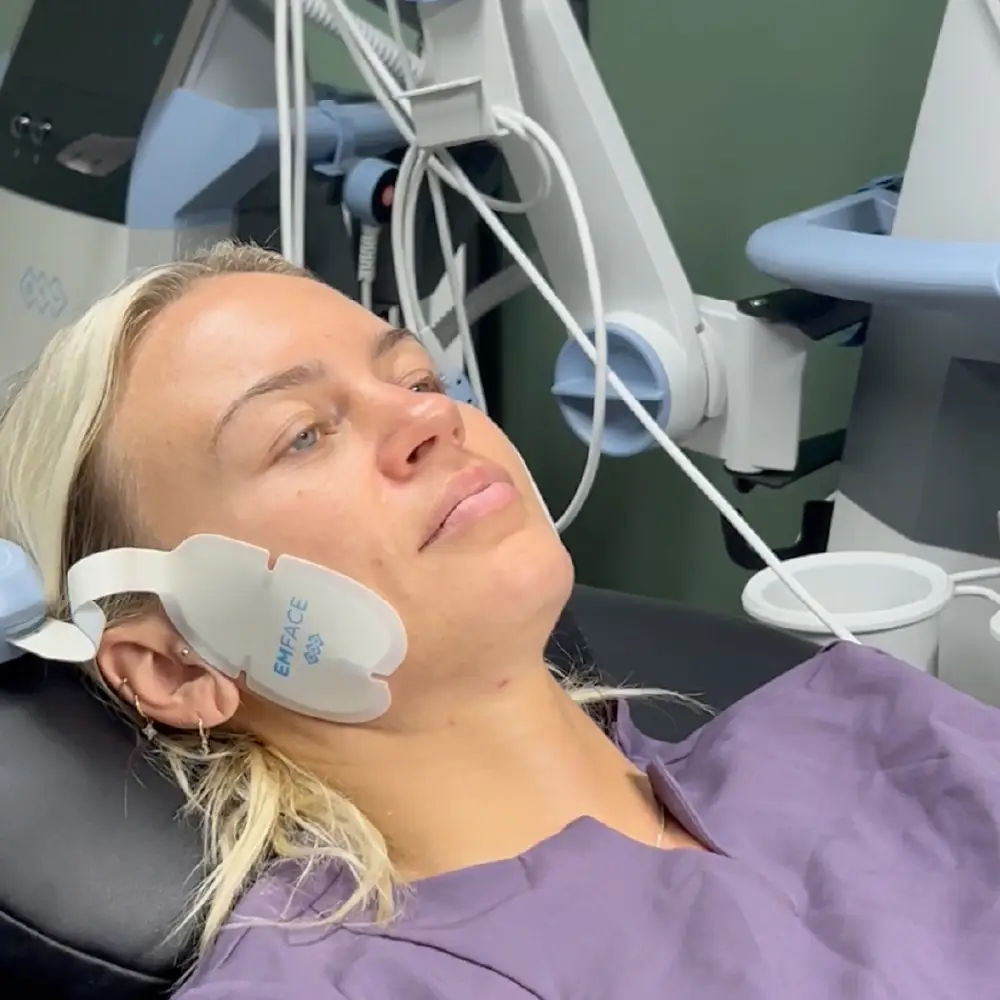
Emface® combines electrical muscle stimulation (HIFES®) to strengthen the muscles around the jaw with radiofrequency (RF) energy to deliver therapeutic heat, helping reduce muscle tension and support improved jaw movement and function.
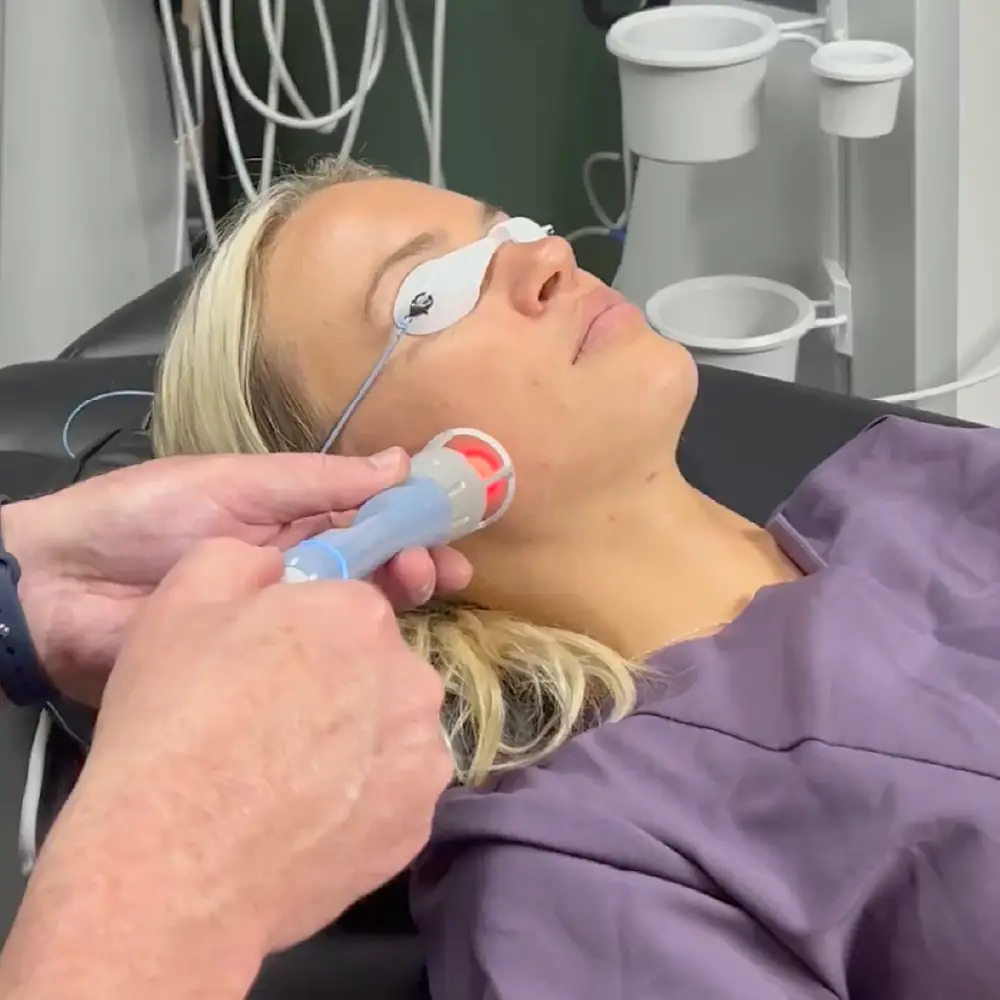
Emvital® delivers advanced targeted infrared laser energy to muscles and surrounding soft tissues to help manage discomfort, support local circulation, and address tight or irritated jaw muscles.
Dr. Josh evaluates jaw movement, cervical spine function, and surrounding muscle tension. Gentle chiropractic adjustments and targeted soft tissue techniques help address restricted movement, tight chewing muscles, and neck dysfunction that may contribute to TMJ discomfort.
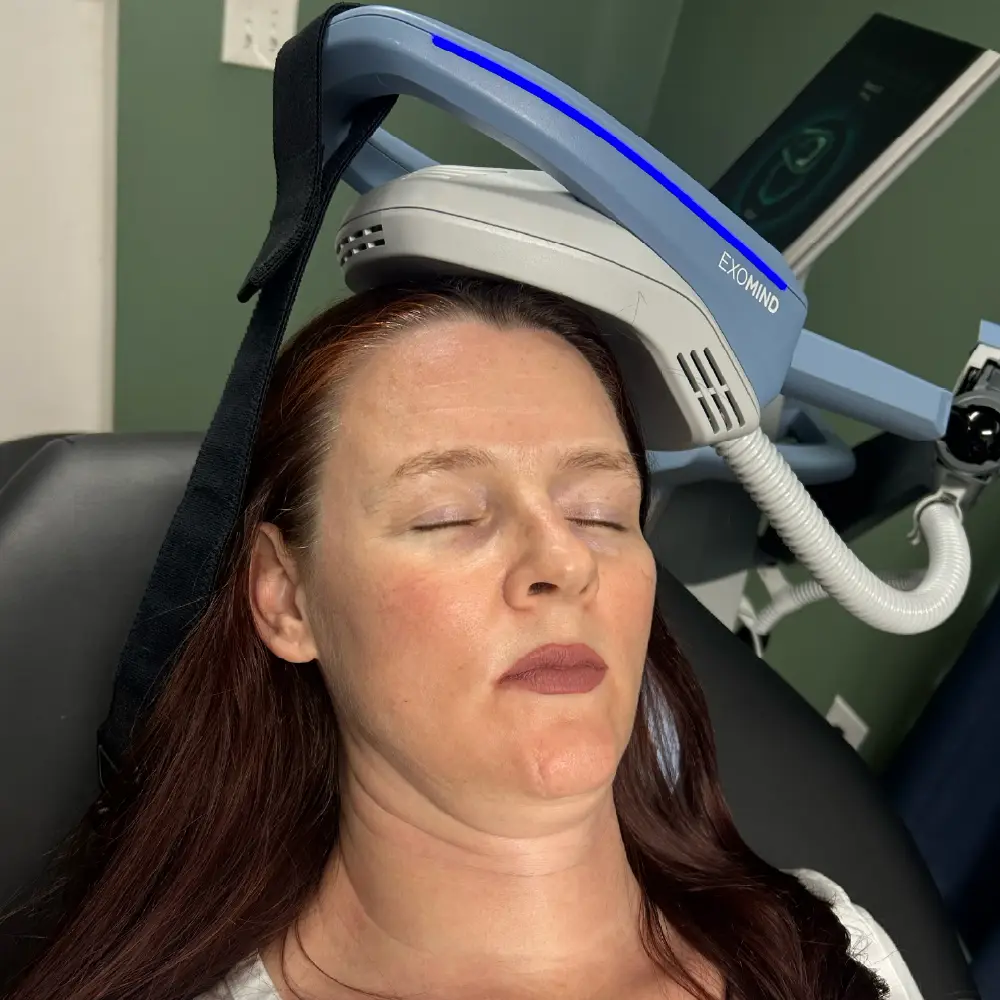
Stress and anxiety can contribute to jaw clenching, teeth grinding, and chronic muscle tension. Exomind™ TMS therapy targets areas of the brain involved in stress management and emotional regulation, potentially helping reduce the stress that aggravates TMJ symptoms.